
Tires
How to Plan for Car Repair Costs
A safety-minded 2026 auto care guide to how to plan for car repair costs, with inspection tips, maintenance records, common mistakes, and notes on when to use a certified mechanic.
Safety note: Vehicle work can create serious risk. Follow your owner’s manual and use a certified mechanic for serious repairs, brake work, electrical issues, or safety systems.
Start with the real-life version of the problem
How to Plan for Car Repair Costs starts with noticing what your vehicle is telling you: mileage, tire condition, fluid levels, warning lights, sounds, smells, vibration, and the service history you can verify. The goal is informed ownership, not risky driveway guesswork. The reader benefit is not more information for its own sake; it is making the numbers visible before a decision becomes stressful.
If you are a car owner who wants to understand basic maintenance before problems get expensive, start by naming the exact friction point. It may be planning, remembering, comparing options, staying consistent, feeling safe, managing cost, or knowing when to ask for help. A clear problem statement keeps planning for car repair costs from becoming a copy of someone else’s schedule, budget, body, home, vehicle, pet, or tools.
Before buying anything for planning for car repair costs, check what you already own, what can be borrowed, and what would truly remove friction.
Record mileage, dates, photos, dashboard warnings, and service receipts so small issues do not become mysteries.
Use the owner’s manual as the first reference because maintenance timing changes by vehicle, engine, climate, and driving pattern.
If current rules, prices, product labels, or app settings affect the task, verify them before acting.
What changed for 2026
For 2026, the best guidance on planning for car repair costs is usually less dramatic and more verifiable. A useful guide explains what to check, what to record, what to avoid, and when a qualified professional is the better next step.
For planning for car repair costs, favor steps that are easy to repeat, easy to verify, and easy to adjust. Be careful with advice that promises instant results, one perfect product, or a shortcut that skips safety and context. Good guidance explains tradeoffs instead of pretending every reader has the same situation.
For planning for car repair costs, a simple record can prevent repeated mistakes. Depending on the topic, that record might be a receipt, photo, measurement, calendar note, maintenance log, grocery list, vet note, account setting, or before-and-after picture. The tool matters less than whether you can find it again.
How this guide applies to auto care
For vehicle topics, distinguish inspection from repair. Many owners can learn to notice tire wear, fluid changes, warning lights, strange sounds, odors, or vibration. That does not mean every fix belongs in the driveway. Brakes, steering, suspension, airbags, high-voltage systems, and complex electrical issues deserve trained help. For how to plan for car repair costs, this keeps the advice tied to the reader’s actual next decision instead of drifting into generic tips.
If how to plan for car repair costs involves a dashboard warning, road-trip safety, tires, fluids, or maintenance timing, check the owner’s manual and record mileage. A photo of the warning light, tire sidewall, fluid level, or worn part can help a mechanic understand the issue faster. For how to plan for car repair costs, this helps separate useful preparation from extra steps that only add clutter.
The safest rule is simple: if a mistake could affect stopping, steering, visibility, fire risk, or passenger protection, do not guess. Schedule service and use this guide to understand the conversation. For how to plan for car repair costs, this makes the safety limit easier to notice before the reader commits time or money.
A practical step-by-step plan
- Define the outcome. Write down the date, cost, result, and what you would do differently next time.
- Identify the constraint. Keep what helped, remove what created friction, and adjust the next step.
- Choose the smallest useful version. Your goal is to notice small issues earlier and keep routine care organized.
- Gather only what is needed. Name the real limit first: time, budget, skill, weather, health, space, rules, tools, or support.
- Put the task on the calendar. Make the first pass small enough to finish without buying unnecessary products or rearranging the whole week.
- Record what changed. Use safe supplies you already have, then add only the items that solve a specific problem.
- Review the result. A plan with a time and place is more likely to happen than a plan kept in your head.
The plan for planning for car repair costs should feel almost boring at first. That is a feature. When the first step is obvious, you can spend your energy on doing it well instead of constantly redesigning the system.
Checklist for getting started
- Read the relevant owner’s-manual section for planning for car repair costs
- Inspect tires, lights, fluids, and wipers
- Record dates and mileage
- Call a mechanic when safety systems are involved
Use this checklist as a starting point, not a rigid rulebook. If one item does not fit your situation, replace it with a safer or more realistic version for planning for car repair costs.
Common mistakes to avoid
Be especially careful about ignoring small warning signs until they become urgent repairs. That mistake can make a reasonable idea feel like failure when the real issue was poor setup.
Another mistake is ignoring the constraints around planning for car repair costs. Time, money, skill, health, weather, family schedules, storage space, local rules, and product instructions all matter. A plan that ignores constraints may look clean on paper but collapse in real life.
Finally, do not confuse more tracking with more progress on planning for car repair costs. Tracking is useful only when it changes a decision. Keep the few details that help you act, and remove records that become clutter.
How to make the habit easier to repeat
Pair planning for car repair costs with an existing rhythm. Weekend reset, grocery day, payday, laundry night, vehicle fill-up, pet feeding, or Sunday planning can become a natural reminder.
Remove one point of friction from planning for car repair costs. Pre-stage the tool, save the link, label the folder, write the template, or keep the basic supplies together.
When to ask for help
Ask for help when safety, health, legal requirements, finances, structural work, specialized tools, animal health, or vehicle systems are involved. For planning for car repair costs, outside help can be the responsible choice when a mistake could create harm, large costs, or a problem you cannot easily undo.
If you need professional guidance about planning for car repair costs, bring clear notes: what you tried, what changed, what you measured, what you paid, what product or model is involved, and what questions you have. Better notes usually lead to better advice.
Related GuideTo reading
-
Explore more in Camping
-
Explore more in Diy Projects
FAQ
What should I do first?
Start with the smallest useful version of planning for car repair costs. Choose one safe action, one thing to measure or notice, and one time to review what happened.
What should I avoid?
Avoid ignoring small warning signs until they become urgent repairs. Also avoid buying products, changing routines, or taking risks before you understand the real problem you are trying to solve.
When should I ask for help?
Ask for help when the decision could affect health, safety, money, legal requirements, your home, your vehicle, a pet, or a child. A guide can help you prepare better questions, but it should not replace qualified professional advice when the stakes are high.
Final take
How to Plan for Car Repair Costs works best when the plan is clear, safe, and realistic enough to use in a normal week. Keep the next step visible, review what changed, and improve the system in small rounds. That is the kind of practical progress GuideTo is built around.
Related articles
 Auto
Auto Road Trips
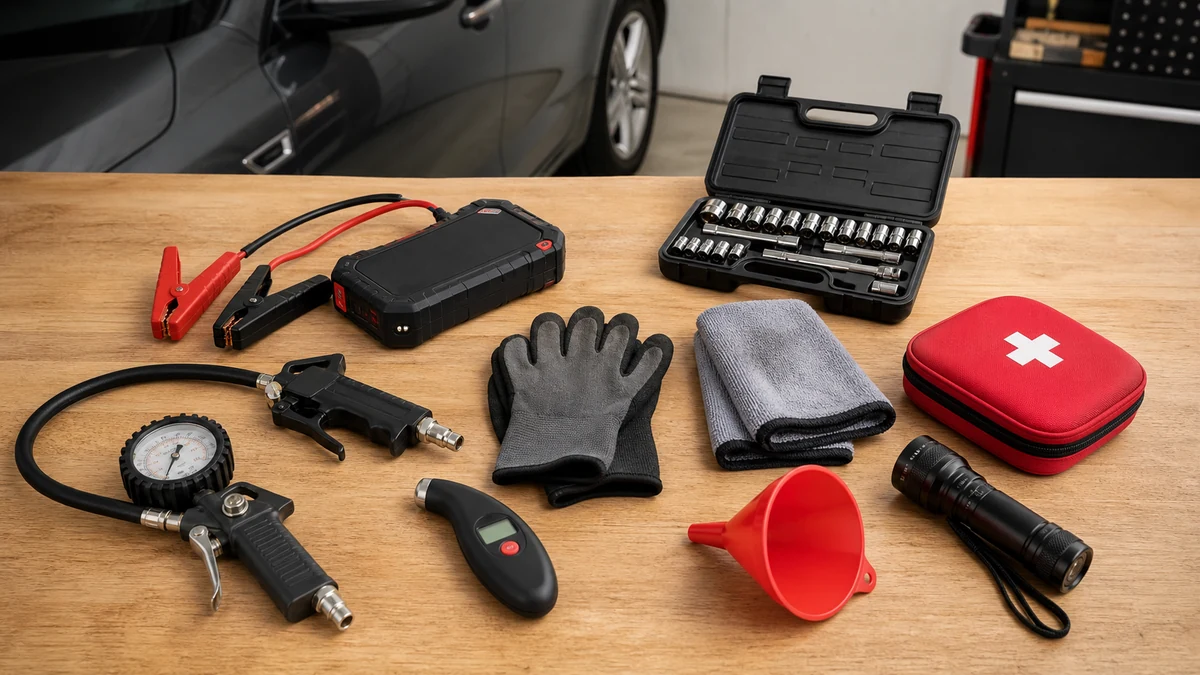
Essential Tools Every Car Owner Should Have
A safety-minded 2026 auto care guide to essential tools every car owner should have, with inspection tips, maintenance records, common mistakes, and notes on when to use a certified mechanic.
7 min read · Updated 2026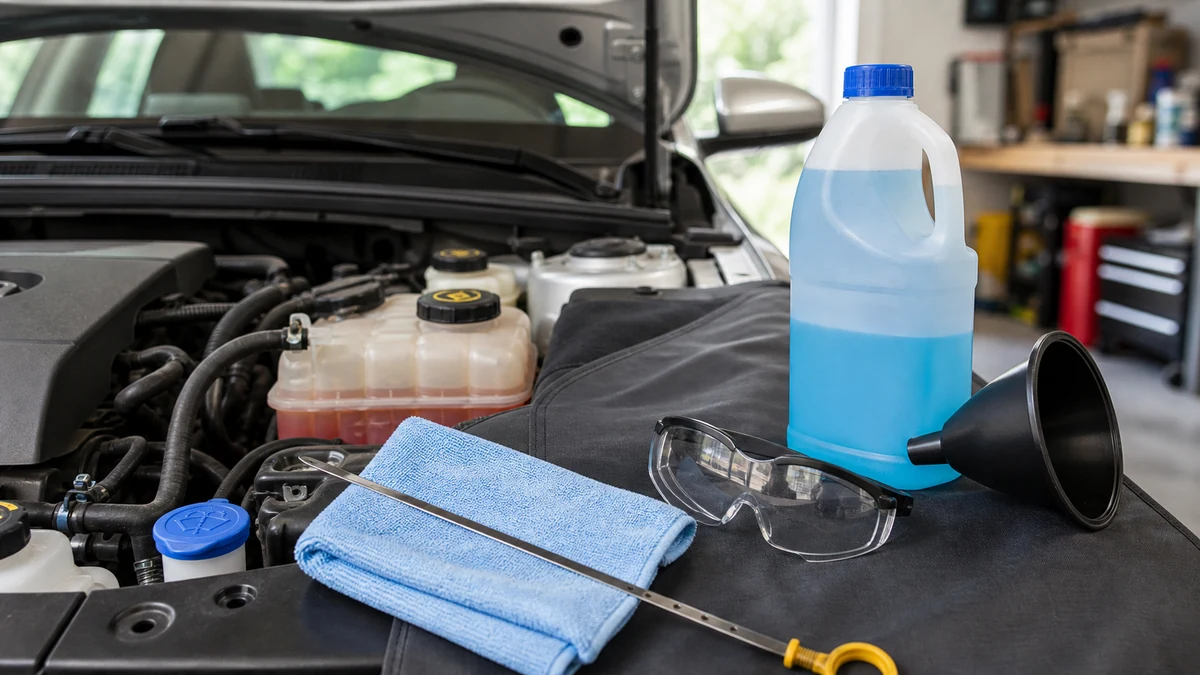 Auto
Auto Tires
How to Check Fluids Safely
A safety-minded 2026 auto care guide to how to check fluids safely, with inspection tips, maintenance records, common mistakes, and notes on when to use a certified mechanic.
6 min read · Updated 2026 Auto
Auto Maintenance
How to Read Your Owner's Manual Without Getting Lost
A safety-minded 2026 auto care guide to how to read your owner's manual without getting lost, with inspection tips, maintenance records, common mistakes, and notes on when to use a certified mechanic.
7 min read · Updated 2026 Auto
Auto Detailing
Used Car Maintenance Tips
A safety-minded 2026 auto care guide to used car maintenance tips, with inspection tips, maintenance records, common mistakes, and notes on when to use a certified mechanic.
6 min read · Updated 2026Explore more auto care guides
Keep building practical everyday knowledge with the full GuideTo auto care library.